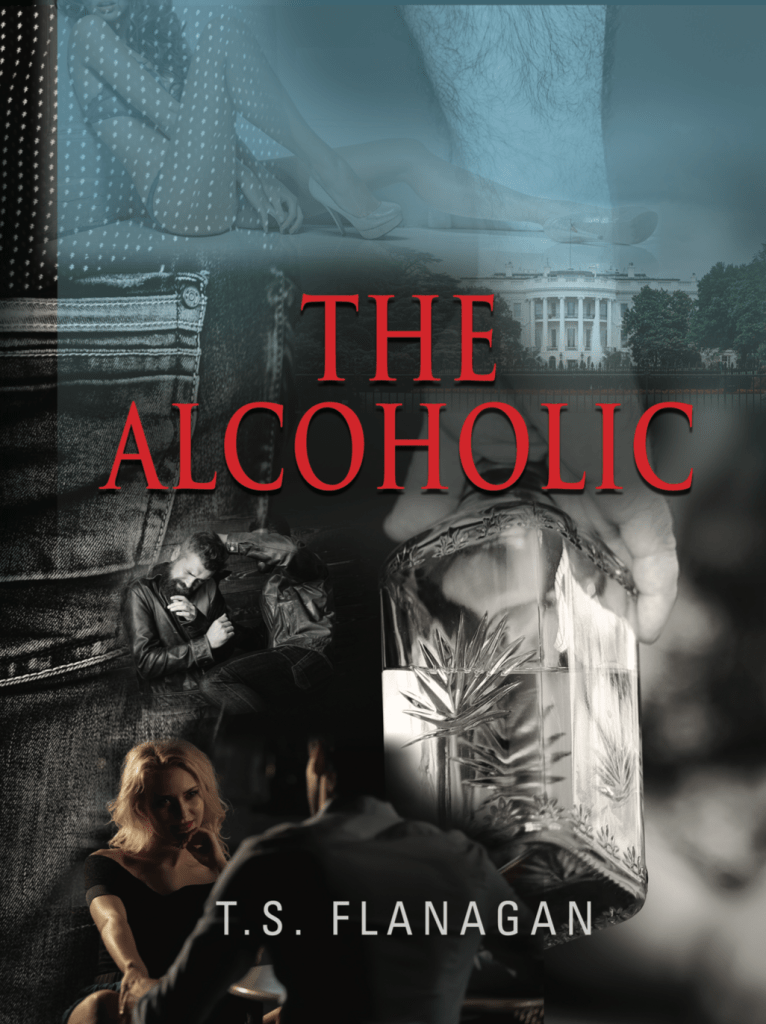
Some people are born with seemingly limitless talent, be it in their intellectual capacities, athletic prowess, artistic abilities, or personal aplomb. Roland Hazzard is such a man. He’s not only good at everything he does—he’s better than everyone else. Add to that the physical beauty and animal magnetism of a mythological hero, and nothing should stand in his way. Yet he suffers from one glaring deficiency—he can’t control and enjoy alcohol. That constitutional flaw threatens to derail any chance he has at a productive and meaningful life. At twenty-five, he’s barely holding on to an entry-level job.
His fortunes change when fate sends him a monster to slay in the form of a notorious serial killer who stalked a woman in his building but broke into Roland’s apartment by mistake. He seizes his instant celebrity and fashions an outrageous vigilante persona that, on the one hand, scorns the traditional news media and, on the other, spawns a huge internet following. His notoriety attracts more violence, and the violence more attention, until Roland is in constant demand and making a lot of easy money.
His wildly propitious ride comes to an end in a catastrophic mishap that forces him to question his very reason for existence. During his recovery, both physical and spiritual, a crime he committed against a friend is exposed, and it is through her forgiveness and love that he begins to appreciate the human values that no degree of talent or accomplishment can ensure.

Roland Hazzard is a drunk with a full head of steam. When a man breaks into his apartment one night, does Roland retreat to his bedroom, lock the door, and call the police? No, he challenges the armed intruder to a fight and stabs him to death with the man’s own knife—then he calls the police. As luck would have it—is there such a thing as luck?—the deceased was a most-wanted serial killer who was after his female neighbor and entered his window by mistake, so Roland won’t have to answer to the law for his violence. On the contrary, he turns the killing into a cause célèbre.
With the help of alcohol, Roland assumes an uninhibited, intentionally outrageous persona to stoke the fires of fame. But does he truly believe the things he says, alternately cheered and denounced, amplifying the sociopolit- ical divide long troubling America? He can’t know the truth about himself until he’s sober, and he can’t get sober while the booze is still working so well.
As with most drunks, he won’t recover until he hits bottom, and Roland’s bottom takes him to a place he never could have imagined.
 T.S. Flanagan